

Bhumi
Ecosystem
of Efficient
Farming
Premaculture
- Bhumia research and production company
- Efficient farmingour goal: stable income and healthy land
- Premacultureour method: love for the Earth in action
Who we are
Bhumi is an international research and practice company changing the paradigm of the relationship between people and soil
We help farmers find a farm’s internal reserves to increase yields, reduce dependence on chemical fertilizers and restore soil health.
We call this combination of science, tradition, experience and the strength of our community Premaculture. We see soil as a single, breathing organism. Using closed eco-cycles, natural bio-design and soil microbiome management, we create spaces that become more fertile, more beautiful and more self-sufficient every year — without a drop of chemicals or endless costs.
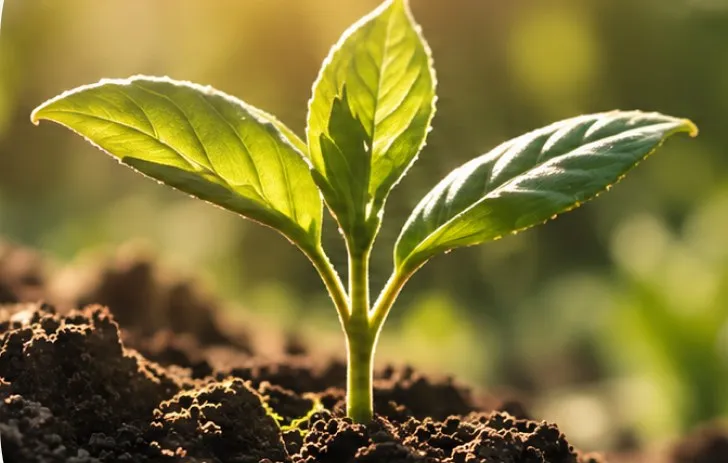
Sustainable agriculture is not a trend, it is a necessity.
Who we are and how we work
Our method is built on a deep understanding of the functional system of soil processes and plants, and an individual approach to every plot
We combine the latest eco-friendly and efficient scientific technologies, traditional knowledge and many years of experience working in different conditions with different crops.
We moved beyond theory and built a working commercial model of regenerative agriculture. We don’t just consult — we take on the full cycle of work: from laboratory analysis of your soil to the turnkey handover of a self-sustaining bio-orchard or agrocenosis.
Our geography covers all of Russia, Belarus, Kazakhstan, India, Germany and South Africa.
Learn more about our methods, services and completed projects
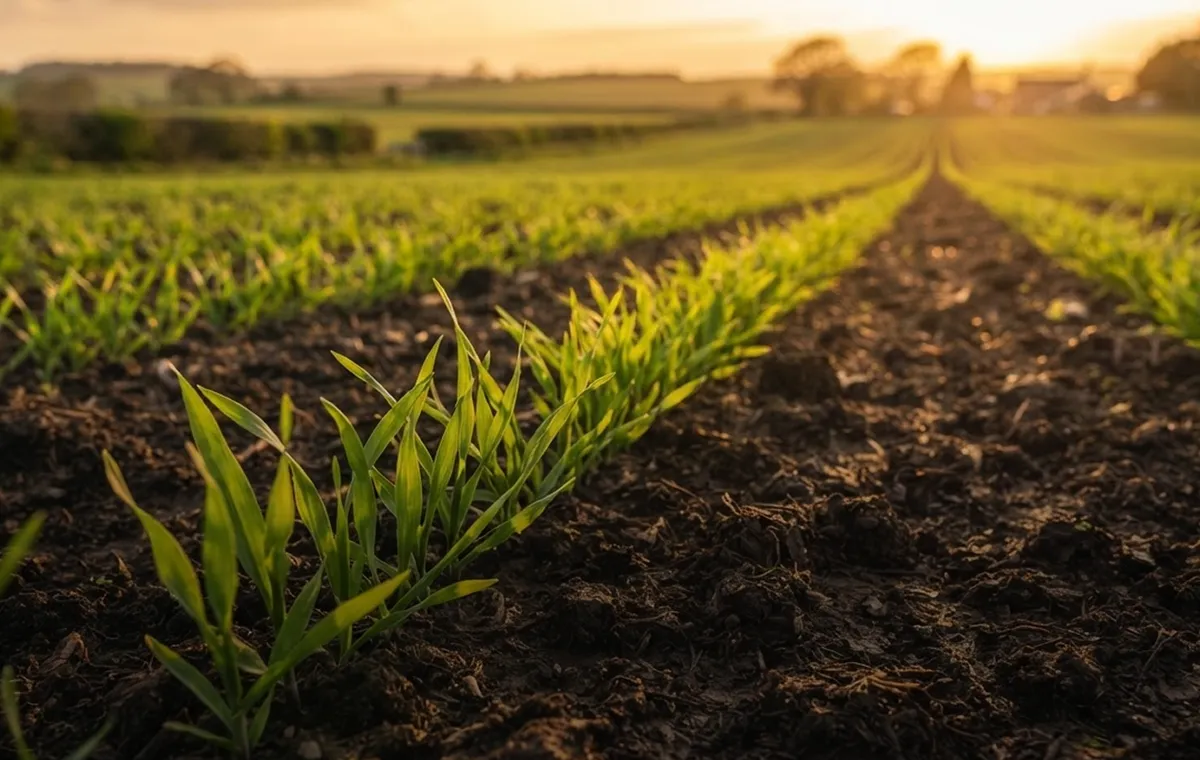
Our mission
To give life back to the land, clean produce to people, and independence from chemicals to business through the synergy of soil, plant and cow
We founded Bhumi to replace outdated, destructive “Euro-standard” chemical technologies with self-sustaining, self-regulating ecosystems. We translate the ancient wisdom of Vedic agriculture into the language of precise engineering calculation, creating long-lasting assets for our clients.

Bhumi’s mission
is to prove that a business built on respect for trees and care for cows is the most stable, profitable and enduring. We build long-lasting assets — living, self-sustaining land that will remain healthy and fertile.

A living ecosystem in action
-
People
Clean food and a healthy environment
We give people back the right to clean, healing food with high biological potential. We create living spaces that help reduce stress and yield fruit free of nitrates and toxins.
-
Business
Stable income and independence from chemicals
We reduce farmers’ dependence on purchased fertilizers, pesticides and ongoing costs. We design efficient systems that use the farm’s own resources, recycle waste and lower operating expenses.
-
Plants
Strong immunity and natural yield
We create resilient field ecosystems and activate plants’ natural immunity. We restore mycorrhiza and beneficial microflora so that plants are more disease-resistant and bear fruit consistently without constant chemical protection.
-
Cow
A source of life and natural fertility
The cow is an important part of a healthy ecosystem and a source of natural fertility. Raw materials from ethically cared-for cows are used to create microbial starters and humic matrices rich in beneficial bacteria and natural nitrogen.
Our team
Founder

Vasily Lungu
Director of Bhumi,
author of the Premaculture method.
«It is very important to me to be personally involved in all the processes of a farmer or agricultural enterprise, especially at the initial stage, so that they minimize their costs and earn more profit, while the land stays healthy and fertile. We don’t sell a “magic pill”. We investigate, find the root of the problem, use each farm’s hidden resources individually and solve specific problems. This approach makes it possible to give up conventional agrochemical fertilizers and pesticides, thereby reducing the burden on the soil. Premaculture is not a replacement for chemicals. It is a shift from fighting individual symptoms to ecosystem-level programming of health and yield.»
Interview with the founder
How it all began, where we work and the philosophy behind our approach
Our philosophy
At the heart of everything is unconditional love for the Earth. She is our mother, and we must take care of her
Premaculture is a traditional way of cultivating the land, based on thousands of years of experience, the latest scientific discoveries and practical results on our own land and in our own conditions. It is an approach that helps a farmer stop being an exploiter of the land and become its partner, friend and caretaker, receiving its generous fruits in return.
6 principles of Premaculture
-
01
Non-violence — no chemicals
We do not use synthetic pesticides, herbicides or fungicides. Instead, we strengthen plant immunity through healthy soil, create conditions for pests’ natural enemies and apply bio-complexes. This way we do not kill — we restore balance.
We do not use synthetic pesticides, herbicides or fungicides. Instead, we strengthen plant immunity through healthy soil, create conditions for pests’ natural enemies and apply bio-complexes. This way we do not kill — we restore balance.
-
02
Care for the Earth
Instead of squeezing the last juices out of the soil, we return organic matter to it, sow green manure and minimize deep tillage. Our goal is to build up the humus layer, not destroy it. Every season the land should become richer, not poorer.
Instead of squeezing the last juices out of the soil, we return organic matter to it, sow green manure and minimize deep tillage. Our goal is to build up the humus layer, not destroy it. Every season the land should become richer, not poorer.
-
03
Ecosystem integrity
Harmony of all elements. Soil, plants, cows, insects, microorganisms, water and air form a single system. We do not interfere with it crudely, but support its natural connections. For example, the appearance of a “pest” is not a reason for war, but a signal of imbalance that we gently correct.
Harmony of all elements. Soil, plants, cows, insects, microorganisms, water and air form a single system. We do not interfere with it crudely, but support its natural connections. For example, the appearance of a “pest” is not a reason for war, but a signal of imbalance that we gently correct.
-
04
In rhythm with the Earth’s cycles
Working with natural rhythms. We synchronize sowing, crop care and harvesting with lunar phases, seasonal changes and weather conditions. This is not esotericism, but practice based on thousands of years of observation: plants absorb nutrients better and bear better fruit when work is in harmony with cosmic and earthly rhythms.
Working with natural rhythms. We synchronize sowing, crop care and harvesting with lunar phases, seasonal changes and weather conditions. This is not esotericism, but practice based on thousands of years of observation: plants absorb nutrients better and bear better fruit when work is in harmony with cosmic and earthly rhythms.
-
05
Closed energy loop
Returning organic matter to the soil. Not a single kilogram of organic waste (straw, manure, plant tops, food scraps) leaves the farm. We process everything into high-quality compost and return it to the soil. This cuts fertilizer costs, improves soil structure and makes the farm self-sufficient.
Returning organic matter to the soil. Not a single kilogram of organic waste (straw, manure, plant tops, food scraps) leaves the farm. We process everything into high-quality compost and return it to the soil. This cuts fertilizer costs, improves soil structure and makes the farm self-sufficient.
-
06
Multi-tier plant cooperation
Natural synergy. There are no monocultures in nature. We design plantings so that plants of different tiers (trees, shrubs, grasses, root crops) complement each other: some fix nitrogen, others provide shade, and others attract pollinators. Such a system resists disease and gives the maximum yield per unit of area.
Natural synergy. There are no monocultures in nature. We design plantings so that plants of different tiers (trees, shrubs, grasses, root crops) complement each other: some fix nitrogen, others provide shade, and others attract pollinators. Such a system resists disease and gives the maximum yield per unit of area.
Let’s work together
We are always happy to answer your questions and discuss your goals


 More than 2,000 farmers already grow with Bhumi