
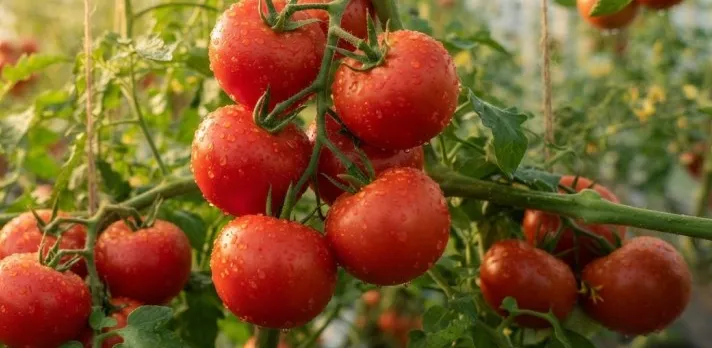
Systemic Sanitation and Immunization of Plantings —strong plantswithout costly chemicals
We provide biological control of plant health, fully eliminate the need for chemical treatments, strengthen plant immunity and extend the storage life of the harvest.
What is systemic sanitation and immunization of plantings?
Systemic sanitation and immunization of plantings is a comprehensive approach to protecting and strengthening plants based on biological methods rather than chemical pesticides. We do not just fight diseases — we create conditions in which plants themselves become resistant to pathogens.
We work in three key areas:
-
Biological sanitation
clearing plantings of pathogenic microflora and fungal infections using antagonistic microorganisms (bacteria and hyperparasitic fungi) that suppress disease development.
-
Immunization and activation of defense mechanisms
applying immunomodulators and biostimulants that trigger the plants’ own defense responses (systemic acquired resistance), making them resistant to infections.
-
Designing a healthy phytocenosis
optimizing planting schemes, selecting companion plants and creating conditions for natural enemies of pests, which eliminates the need for insecticides.
Result
Plantings that cope with diseases and pests on their own, deliver consistently high yields and do not need constant chemical treatments.
Who it's for
Who benefits most from this solution
- Orchards and vineyards → perennial plantings suffering from fungal diseases (powdery mildew, monilinia, late blight, anthracnose, downy mildew, oidium).
- Fruit and berry nurseries → farms where the quality of planting stock is critical and chemical treatments are undesirable.
- Open-field and greenhouse vegetable farms → crops prone to bacterial and viral infections (tomatoes, cucumbers, peppers, potatoes, etc.).
- Farms seeking organic certification → switching to biological protection methods is a prerequisite for organic status.
Benefits
Why it pays off for your farm
-
01
Lower costs
- · 30–50% lower production costs from the first year by eliminating expensive chemical products and reducing the number of treatments
-
02
Healthy plants
- · Stronger immunity and disease resistance — plants get sick less, grow better and produce higher-quality fruit
-
03
Longer shelf life
- · Produce keeps 7–10 days longer thanks to stronger cell walls and natural protection against rot
-
04
Lower losses
- · 20–30% lower crop losses from disease already in the first season, with the effect growing afterwards
-
05
Eco-friendliness
- · Pesticides completely eliminated — produce is eco-friendly and safe for consumers
-
06
Produce quality
- · Better marketable qualities: brighter color, better taste, less mechanical damage and fewer spots
How we work
-
1
Comprehensive phytopathological audit
We survey perennial plantings using rapid diagnostic methods. We identify the species composition of infection backgrounds (bacterioses, mycoses) and the population density of soil pests. We record the physico-chemical parameters of the rhizosphere (pH, electrical conductivity, salt load).
-
2
Designing biotechnological programs
We develop a tailored biological control plan based on the audit data. We select targeted associations of beneficial native microorganisms and enzymatic plant extracts for the specific conditions and growth stages of the agrocenosis.
-
3
Suppressive sanitation of soil and irrigation systems
Targeted inhibition of the phytopathogenic microbiome in the soil profile and irrigation networks. We apply high-acid enzyme complexes to break down polysaccharide biofilms and biologically clean the root zone of perennial crops.
-
4
Bio-inoculation and root formation stimulation
We introduce stabilized bio-complexes based on beneficial spore-forming bacteria and plant-derived phytohormonal compounds into the root zone. We activate the microflora to accelerate the growth of active feeder roots.
-
5
Systemic immunization and fruit quality optimization
We carry out foliar treatments of plantings with organo-mineral plant extracts. We relieve pesticide and climate stress, activate the synthesis of endogenous defense proteins and stimulate sugar accumulation (Brix).
-
6
Mycorrhization and long-term rhizosphere protection
We apply dry cassette formulations of soil modulators on a sterile organic matrix. We establish a stable symbiosis of endo- and ectomycorrhizal fungi for long-term protection and safe overwintering of the root system.
Results
Results we can confirm
- Lower chemical protection costs
- up to 100% (pesticides fully phased out in the first year)
- Lower production costs
- 30–50% (from the first year)
- Lower disease losses
- 20–30% (from the first year)
- Longer shelf life of produce
- +7–10 days (on top of the standard storage period)
- Lower plant loss (mortality)
- 5–10 times
- More active feeder root mass
- 40–60% (from the first year)
- Lower fruit cracking and spoilage
- down to 0–2%
- Higher sugar content (Brix)
- by 2–4 units
- Return on investment
- 1–2 seasons
Depending on the type of plantings, climate and the initial disease level, we achieve the following figures.
Our offerings
Comprehensive solutions with proven effectiveness
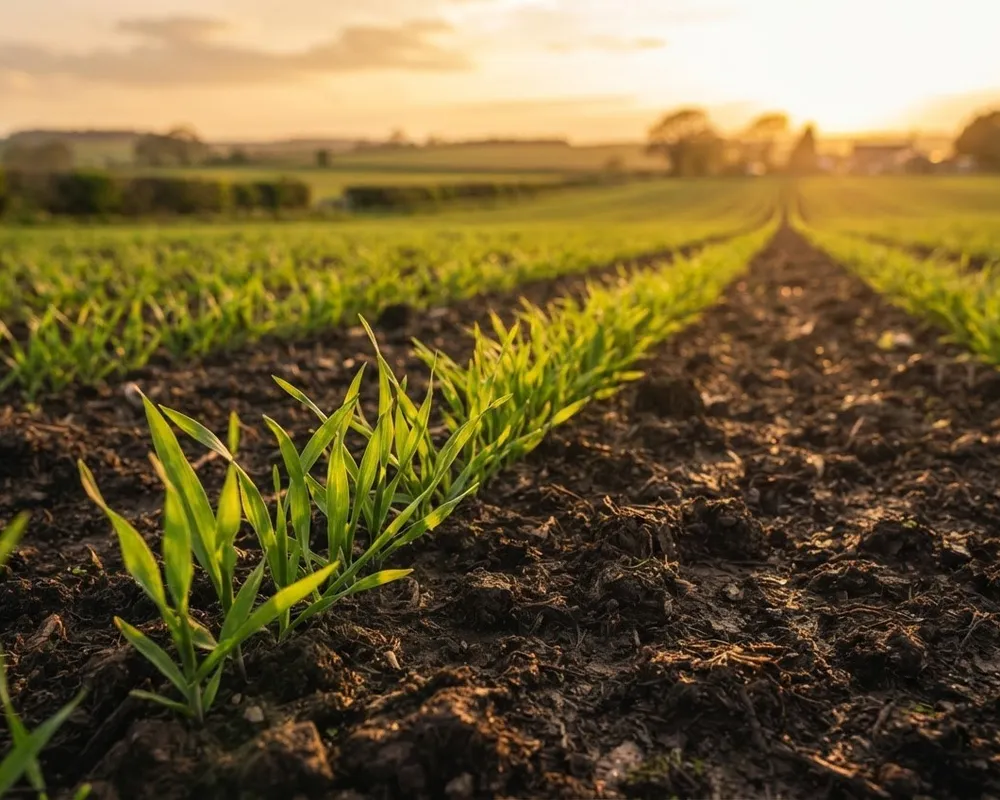
Bio-design and Soil Revival
Restoring fertility of degraded and depleted land with a guaranteed increase in crop survival rate of up to 100%
Systemic Sanitation and Immunization of Plantings
Biological control of plant health, cutting chemical protection costs by up to 100%

Controlled Bio-composting and Organic Waste Recycling
High-tech recycling of any organic waste into premium bio-fertilizers with complete destruction of pathogens and weed seeds.
Ecosystem approach
Planting sanitation — part of the Bhumi Ecosystem of Efficient Farming
Systemic sanitation and immunization of plantings is not a standalone service but an important element of the “Efficient Farming” ecosystem approach. Healthy plants are the basis for:
- Stable yields without chemicals
- Clean, eco-friendly produce for premium markets
- Lower operating costs and higher profitability
- Long-term sustainability of your farm
We do not just “treat” plants — we create a system in which they stay healthy without constant intervention, year after year.
Revive soil health and improve the marketability of your fruit.
Order a professional phytosanitary audit of your plot. We will develop a step-by-step map of biological pathogen control, stimulate crop root formation and justify the economic benefit of a risk-free switch to native bio-complexes.


 More than 2,000 farmers already grow with Bhumi